
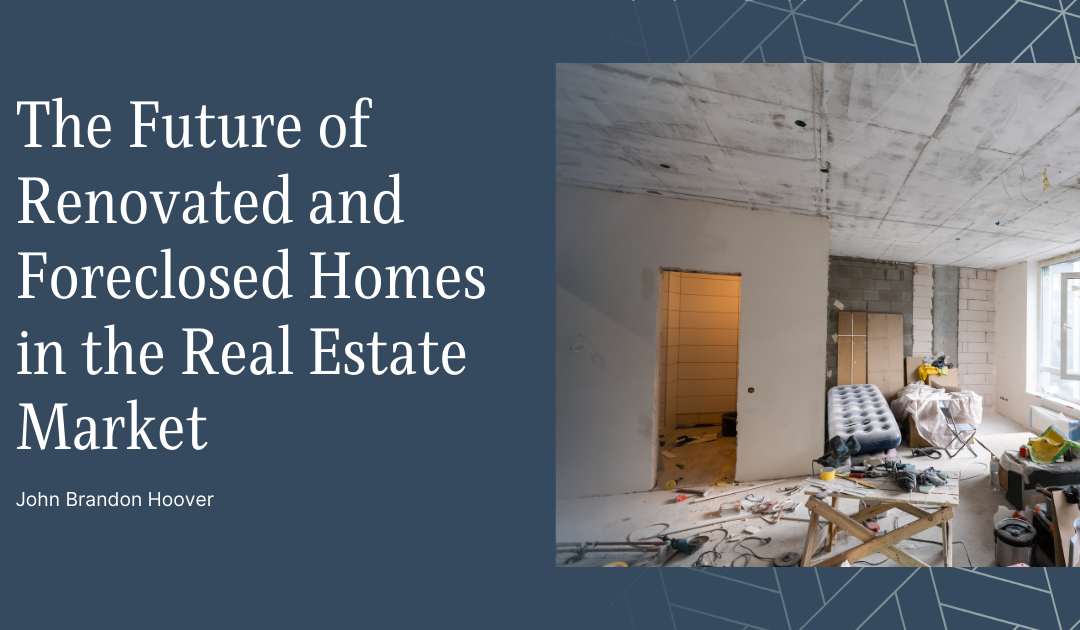
Foreclosed and renovated homes have long been an important segment of the real estate market, offering opportunities for investors, first-time buyers, and communities alike. As the market continues to evolve, the role of these properties is changing, reflecting broader economic trends, technological advancements, and shifting buyer preferences. Understanding the future of foreclosed and renovated homes helps buyers and investors make strategic decisions.
The Growing Role of Renovated Foreclosed Homes
Foreclosed homes that have been properly renovated are becoming increasingly valuable in today’s market. These properties are attractive because they provide move-in ready housing at competitive prices, bridging the gap between affordable housing and modern living standards. Renovation transforms underperforming assets into functional and visually appealing homes, giving buyers confidence in their investment.
Advances in construction technology, energy-efficient materials, and modern design trends have made renovations more efficient and cost-effective. Buyers now expect updated kitchens, bathrooms, flooring, and energy-saving systems. Well-renovated foreclosed homes not only meet these expectations but also compete with newly built homes in terms of aesthetics and functionality.
Market Trends Shaping the Future
Several trends are shaping the future of renovated and foreclosed properties. Urban migration and high demand for affordable housing have increased interest in previously overlooked properties. Investors and developers are focusing on these homes as a way to meet buyer demand while maximizing returns.
Technology is also influencing the market. Virtual tours, 3D home renderings, and online marketplaces make it easier for buyers to explore foreclosed properties without physically visiting them. Additionally, predictive analytics help investors identify properties with the highest potential for value increase after renovation.
Sustainability is another driving factor. Buyers increasingly prioritize homes with energy-efficient systems, low-maintenance materials, and environmentally conscious features. Renovated foreclosed homes that incorporate these elements are likely to attract higher demand and achieve faster sales.
Benefits for Communities and Investors
Renovated foreclosed properties provide significant benefits beyond individual buyers. For communities, restoring abandoned or distressed homes improves neighborhood aesthetics, boosts property values, and encourages long-term stability. Families moving into these homes contribute to community engagement and local economic growth.
For investors, renovated foreclosed homes offer both short-term and long-term opportunities. Investors can generate rental income, resell properties for profit, or build a portfolio of well-maintained homes. Strategic investment in foreclosed properties with high renovation potential can be a reliable pathway to wealth creation while also supporting housing accessibility.
In summary, the future of renovated and foreclosed homes is bright, driven by rising demand for affordable, quality housing, advances in technology, and a focus on sustainability. Buyers, investors, and communities stand to benefit from the thoughtful transformation of these properties into valuable assets.